Location

History

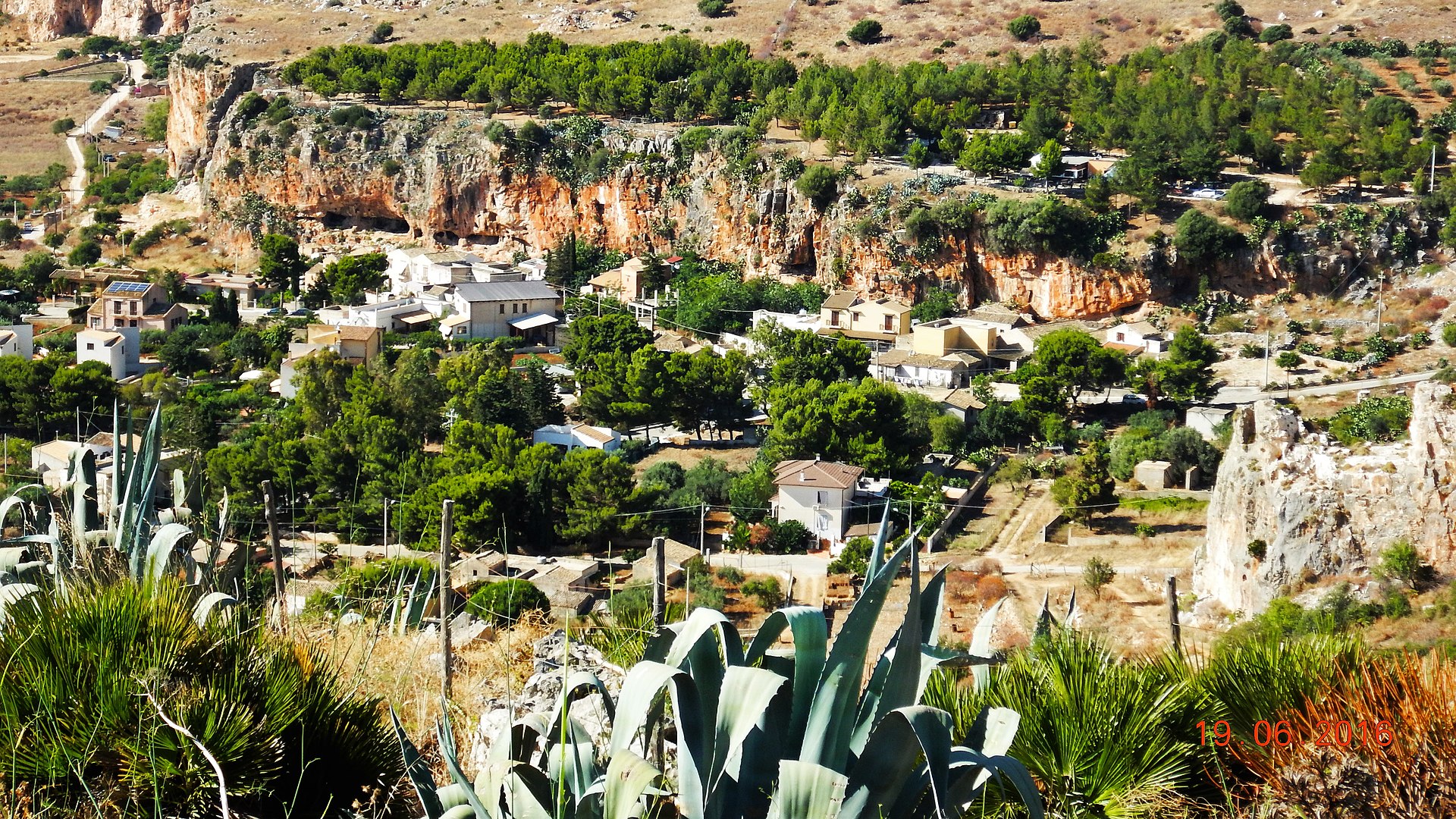
Custonaci is called the “Città Internazionale dei Marmi” (International City of Marbles) due to its presence in its territory of the second largest marble basin in Europe, with about 100 active quarries and about fifty industrial factories. The main marble extracted is the “Perlato di Sicilia“, light ivory in color and with patches of pure calcite.

Photo of Custonaci, by Andrea Albini on Wikipedia

Attractions

Custonaci offers visitors a few places of interest, very authentic and interesting.

Santuario di Maria Santissima di Custonaci

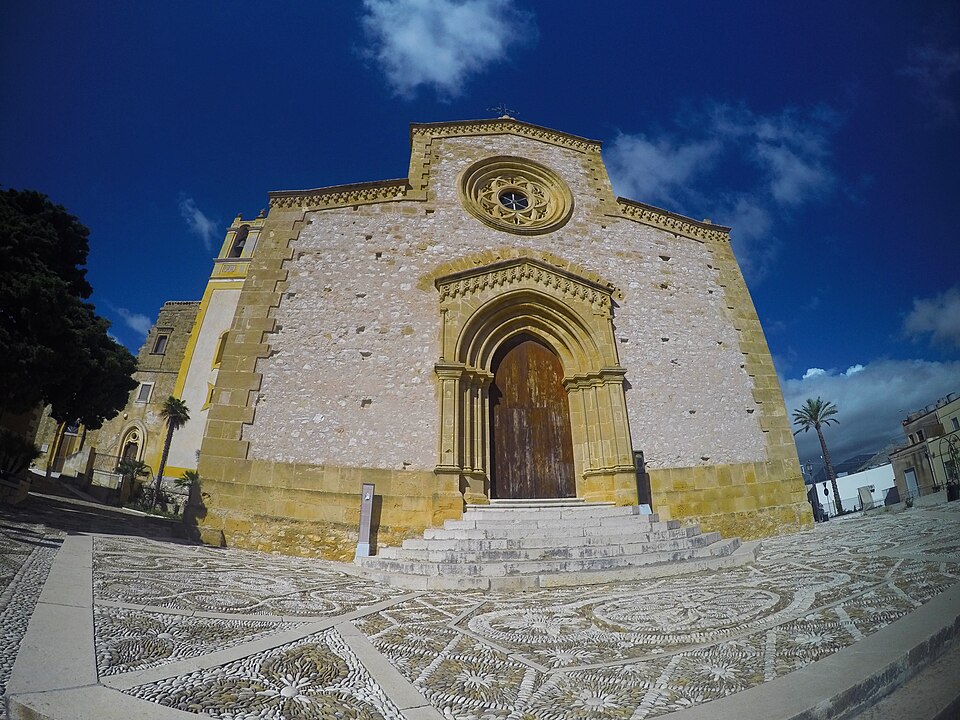
The village is also famous for the Santuario di Maria Santissima di Custonaci, built around 1500, around which small settlements of farmers have concentrated over the centuries, which then gave life to the town.

The protagonist of the sanctuary is the Madonna, painted by a pupil of Antonello da Messina. The image of Maria Santissima of Custonaci has attracted millions of pilgrims for centuries.

Photo of the Santuario, by Andrea Albini on Wikipedia

Grotte di Scurati

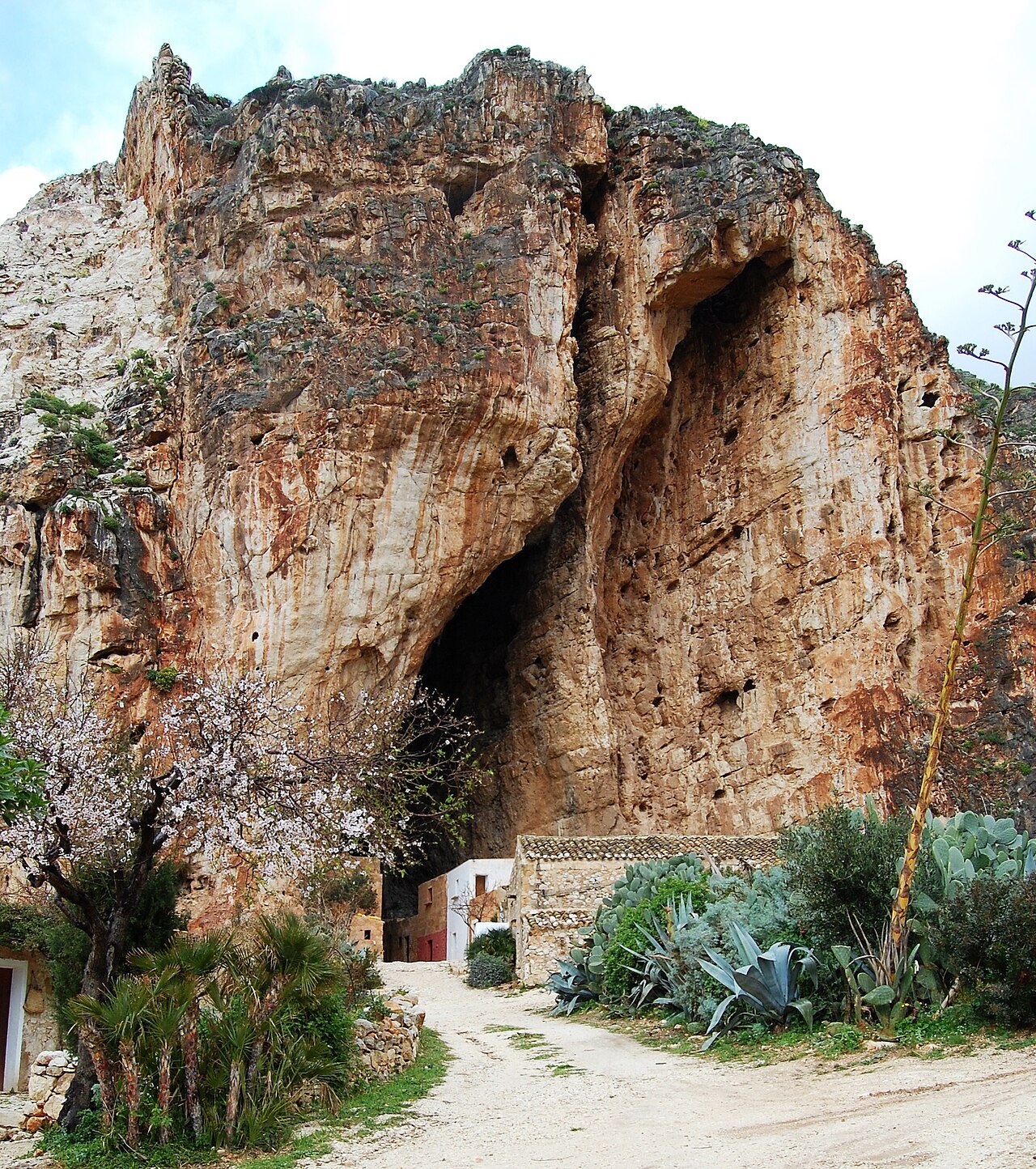
In the territory of Custonaci, there are the Grotte di Scurati, an ancient prehistoric settlement, where for some years the “Presepe vivente di Custonaci” has been held during the Christmas period. There are a total of nine caves (MangiapaneBuffadel CrocifissoRumenaMiceliCufunidella clavaMaria SantissimaAbisso del Purgatorio).

Photo of the Grotta di Mangiapane, by tato grasso on Wikipedia

Riserva Naturale di Monte Cofano

Some of the caves are located within the Riserva Naturale di Monte Cofano, a protected natural area located in the municipalities of Custonaci and San Vito Lo Capo, in the province of Trapani.

Photo of the Monte Cofano, by Francesco Ungaro on Pexels

This is where the Mediterranean and Tyrrhenian Seas cross. The tower now houses the Museo Civico Antropologico with artifacts from the Punic and Roman eras.

100 meter further back is the small Chiesa di San Liberale, the most loved by fishermen

Food

As far as food is concerned, below is the traditional food you can find in Custonaci.

Spincia di Custonaci

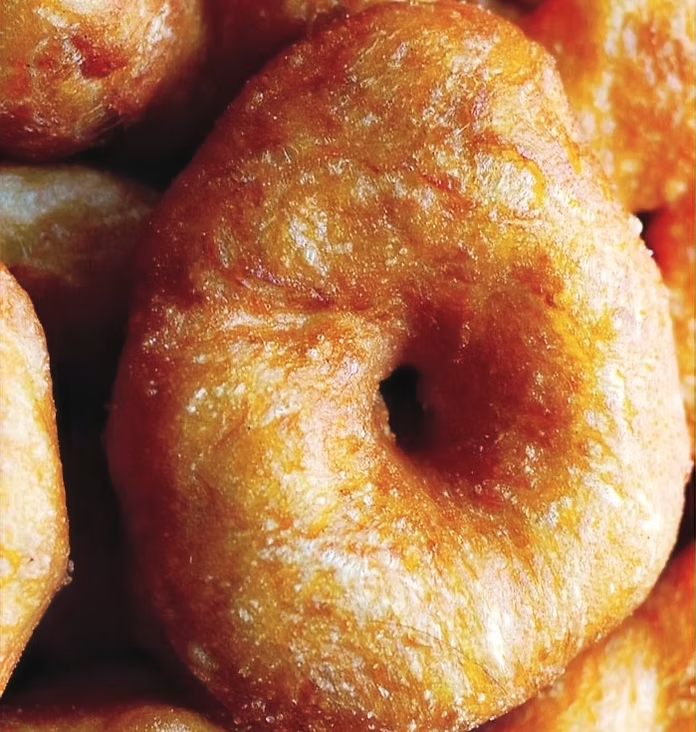
Custonaci spincia (in Sicilian “sfincia”, from the Arabic “isfang” or soft dough pancake that is fried and eaten with honey) is a typical dessert eaten before Christmas, prepared for the Immaculate Conception celebration. It is a typical poor dessert, whose main ingredients are flour, milk, and potatoes.

From 6 to 8 December, every year, a festival called Spincia Day is held in Piazza Santuario.

Photo of the Spinci di Custonaci

In Custonaci it is possible to eat typical dishes of the local cuisine, that of Trapani, and, more generally, of Sicilian cuisine.

Tips

Presepe vivente

An event not to be missed for anyone visiting Western Sicily during the Christmas holidays is certainly the Presepe Vivente of Custonaci. It is a suggestive representation of the Christmas nativity scene, which takes place inside the Grotta di Mangiapane, between the months of December and January.